What Exactly Sets Premium Chauffeur Services Apart From Standard Rides
Executive Car Service That Keeps Your Schedule on Time
Most executive travelers still book standard sedans, yet the true executive transportation experience is a choreographed operation of precision, discretion, and seamless logistics—not just a ride. It works by pairing a dedicated chauffeur with a meticulously vetted vehicle, managed through a single point of contact that coordinates every door-to-door movement around your schedule. The benefit is reclaimed time and uncompromised privacy, letting you hold confidential calls or prepare presentations while your journey becomes a mobile command center. To use it, simply specify your itinerary, destination, and any onboard preferences, then step into a vehicle where every turn is optimized and every arrival is flawlessly on time.
What Exactly Sets Premium Chauffeur Services Apart From Standard Rides
The board meeting ran late, and as you step out, a standard ride app shows a ten-minute wait and a driver who’ll likely ask you to adjust the AC. A premium chauffeur is already curbside, engine running, door open, holding a tablet with your name. Inside, the difference isn’t leather seats—it’s the silence. No small Airport transportation talk, no radio, no route questions. The chauffeur has pre-loaded your destination, knows the traffic pattern from this morning’s briefing, and has a chilled still water exactly where you reach for it. Your laptop stays out; the Wi‑Fi is already connected. The car moves smoothly, but the real distinction is how time bends—you arrive with your notes reviewed, not your patience tested. What exactly sets premium chauffeur services apart from standard rides? The answer is proactive anticipation—every detail from boarding to arrival is executed before you ask, turning transit into controlled, uninterrupted executive time.
Key Differences in Vehicle Standards and Onboard Amenities
The most immediate distinction lies in the vehicle standards and onboard amenities, where premium chauffeur services transform transit into a sensory experience. Standard rides offer basic, mass-produced sedans with functional interiors, while executive fleets feature meticulously maintained luxury vehicles—typically Mercedes S-Class, BMW 7 Series, or Audi A8—with pristine leather seating and immaculate cabin finishes. Onboard, you’ll find climate-controlled zones, advanced noise insulation, and bespoke refreshments like chilled water, premium coffee, or champagne. Charging ports, high-speed Wi-Fi, and privacy partitions are non-negotiable. Standard rides lack these touches, leaving passengers with utilitarian space and minimal personalization. The premium difference is tangible: an ambiance engineered for productivity, comfort, and status, not just point-to-point travel.
How Professional Chauffeurs Elevate the Entire Journey
The true distinction in executive transportation lies in how a professional chauffeur elevates the entire journey through anticipatory service. They transform transit into productive, seamless time by managing doors, luggage, and route adjustments before you ask. A chauffeur reads the environment—adjusting climate, lighting, and pacing to match your meeting schedule or need for quiet focus. They offer local knowledge for discreet stops and ensure vehicle presentation is flawless at every arrival. This proactive presence removes friction, letting you arrive composed and ready.
- Pre-validated parking and access protocols save critical minutes
- Privacy discipline ensures confidential conversations stay secure
- Real-time traffic adjustments protect your schedule without stress

This executive-grade attentiveness converts mere travel into a strategic asset, where every mile is calibrated to your comfort and status.
How to Book a First-Class Ride for Business or Leisure Trips
To book a first-class ride for business or leisure, start by choosing a reputable executive car service with a fleet of luxury sedans, SUVs, or sprinter vans. Specify your exact pickup time, location, and destination, and mention any flight details so the chauffeur can track delays. For a seamless experience, reserve at least 24–48 hours in advance, especially during peak travel seasons. Request amenities like bottled water, Wi-Fi, or a quiet cabin for calls. Confirm the flat-rate pricing upfront to avoid surprise fees, and share your itinerary with the dispatcher for real-time updates. Finally, provide your contact number and any special needs—such as extra luggage space—to ensure the vehicle matches your trip perfectly.
Step-by-Step Guide to Reserving Your Sedan or SUV

To lock in your executive ride, start by opening the provider’s app or website and selecting your pickup date, time, and location—whether that’s a hotel lobby or airport arrivals. Choose your vehicle class (sedan for sleek city hops, SUV for group comfort), then enter your drop-off point. Next, review available chauffeurs and any add-ons like meet-and-greet or extra luggage space. Confirm your ride details, add flight numbers if relevant, and hit “Reserve.” You’ll get an instant confirmation with driver info and live tracking. Always double-check your pickup window at least two hours before departure. Here’s the quick sequence:
- Pick date, time, and pickup/drop-off addresses.
- Select sedan or SUV based on passenger count.
- Customize extras, then review pricing.
- Finalize payment and receive your chauffeured reservation confirmation.
Choosing the Right Vehicle Class for Your Group Size and Luggage
Matching your executive ride to passenger count and cargo volume prevents last-minute discomfort or downgrades. For two travelers with cabin bags, a premium sedan offers discretion and curb appeal. Four riders with roller cases demand a full-size SUV or executive van, ensuring every suitcase locks safely in the rear compartment. Groups of six or more should immediately reserve a sprinter or luxury shuttle—never force luggage onto seats. Verify the vehicle’s listed bag capacity against your actual inventory, not estimates. Choosing the right vehicle class by exact luggage dimensions eliminates upgrade fees and delays at pickup.
Q: What vehicle class fits five passengers and eight large suitcases?
A: A luxury sprinter van with rear-facing cargo bays is your only class that legally and comfortably accommodates that load. Sedans and SUVs will fail on cubic feet, forcing a split-car arrangement that ruins arrival synergy.
What Should You Expect Inside the Vehicle During Your Trip
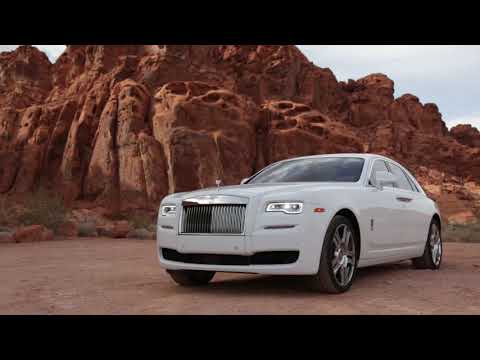
Inside the vehicle, expect a cabin engineered for focus and comfort. You should find climate control set to your preference, with privacy partitions and tinted windows ensuring confidential conversations remain secure. Seating is plush leather, electrically adjustable, and arranged to facilitate face-to-face discussion or solo work. Expect complimentary Wi-Fi, charging ports, and a stocked refreshment bar, allowing you to use travel time productively. A professional chauffeur manages navigation and traffic, so you experience zero logistical friction. Above all, the ride is silent and smooth, with noise insulation that turns the outside world into a distant hum. This is the standard for executive ground travel, where every detail from seat temperature to lighting is pre-set for your in-vehicle business comfort. You arrive undisturbed and ready.
Typical In-Car Features: Wi-Fi, Charging Ports, Refreshments, and Privacy Dividers
Inside an executive ride, you’ll find typical in-car features like Wi-Fi, charging ports, refreshments, and privacy dividers that make every minute productive or relaxing. The Wi-Fi keeps your laptop humming, while USB-C and wireless charging pads save you from a dead battery panic. A small fridge often stocks water, soft drinks, or coffee, and some services add light snacks. Meanwhile, a privacy divider—either glass or opaque—lets you take calls or zone out without the driver catching your vibe. Just ask your provider what’s stocked, since options vary by vehicle.
- Confirm Wi-Fi password and data limits before departure.
- Check if chargers are universal or vehicle-specific.
- Request drinks or snacks ahead if you have preferences.
- Test the privacy divider’s controls once seated.
Understanding the Meet-and-Greet Protocol at Airports and Hotels
Understanding the meet-and-greet protocol at airports and hotels begins with identifying your chauffeur’s exact holding location, typically a named sign at arrivals or the lobby’s designated waiting area. For airport pickups, your driver monitors your flight’s landing time, then texts a precise door and curb number once you’ve collected luggage. At hotels, the protocol shifts to coordinating a lobby meeting point—often near the concierge desk—while the vehicle waits in a valet lane to avoid idling fees. This pre-arranged system eliminates phone-tag confusion, as both parties know the fallback communication channel, such as a direct SMS line, if the initial point is missed. Crucially, the chauffeur performs a visual confirmation of your identity before escorting you, ensuring no stranger missteps into the car. For departure meet-and-greets, you confirm a pickup window, and the driver waits inside until you exit, then walks you out. This structured airport arrival protocol reduces stress by assigning one responsible contact, so you never wander searching for a black sedan or guessing which lobby exit to use.
How to Maximize Productivity and Comfort While On the Move
To maximize productivity and comfort while on the move in executive transportation, treat the vehicle as a mobile office. Pre-arrange a Wi-Fi-enabled sedan or SUV with ample legroom, and sync your devices to the cabin’s charging ports before departure. Schedule calls for the first half of the trip, reserving the final stretch for quiet reading or mental preparation, using noise-canceling headphones to block road sounds. Adjust climate control and seat recline immediately, and request a bottled water and a light snack to avoid mid-route distraction. For focused work, maximize productivity by downloading offline documents and setting a clear agenda—avoid multitasking across screens. Finally, communicate your destination and preferred route to the chauffeur once, then trust the logistics, so you can mentally disconnect from traffic and concentrate fully on high-value tasks.
Using Travel Time for Calls, Emails, or Rest Without Distractions
Executives can transform transit into a productive sanctuary by establishing a clear pre-trip protocol for calls, emails, or rest without distractions. Begin by setting your communication status to «in transit» and using a noise-canceling headset to isolate your voice from road sounds during calls. For email work, pre-download critical threads and use a mobile hotspot with a private connection; schedule responses in dedicated 20-minute blocks rather than reacting to each ping. To rest without distractions, use a physical sleep mask, a white-noise app, and inform your driver of a strict quiet period—no announcements or route questions. Crucially, delineate work-versus-rest zones by assigning the rear seats for focus and the fold-down tables only for active tasks, ensuring your brain associates the space with the intended activity.
Customizing Your Ride: Preferred Routes, Temperature, and Music Selection
When you book executive transportation, the real win is making the cabin your own before the wheels even start turning. Set your preferred routes in advance to dodge heavy traffic and shave minutes off your day, while the chauffeur silently adjusts the climate to your ideal temperature—whether that’s crisp cool air for focus or gentle warmth for decompression. Your music selection becomes the soundtrack to your productivity, streamed through premium sound systems to match your energy levels. Personalizing the ride environment turns travel time into genuine downtime or deep-work space.
- Save frequent destinations and alternate route preferences in your user profile.
- Pre-set the cabin temperature before boarding via the booking app.
- Sync your personal playlist or preferred radio station to the vehicle’s audio system.
What Are the Real Costs and How to Get Transparent Pricing
The real cost of executive transportation extends beyond the base hourly rate, encompassing fuel surcharges, airport fees, gratuity, and significant wait time overages that often double the final invoice. To secure transparent pricing, demand a flat, all-inclusive quote before booking, explicitly itemizing every potential surcharge in writing. A reputable provider will lock that rate contractually, guaranteeing no surprise charges at drop-off. However, the cheapest published rate rarely reflects the true cost of a late vehicle or a substandard, unvetted chauffeur. Always request a breakdown of insurance coverage and vehicle class standards, as these hidden variables inflate real expenses. Ask directly for a guaranteed quote with a cap on additional minutes, and verify that the quoted price includes tolls and parking to avoid post-trip reconciliation disputes. Transparent pricing ultimately means every dollar is disclosed before you step into the sedan.
Hourly Rates vs. Flat Fees for Point-to-Point and Multi-Stop Itineraries
For executive travel, choosing between hourly rates and flat fees hinges entirely on your itinerary’s structure. A simple point-to-point run—like airport to boardroom—often suits flat fees, locking in the final cost regardless of traffic snarls. However, when you add multiple stops for client meetings or site visits, an hourly rate for multi-stop itineraries usually offers more flexibility, preventing surprise charges for wait time or route deviations. Flat fees shine when the route is fixed and predictable. Conversely, multi-stop plans benefit from hourly billing because you pay only for actual time used, avoiding the premium built into a flat quote that covers worst-case delays. Always request both quotes before booking.

Hidden Charges to Watch For: Tolls, Gratuities, Wait Time, and Late-Night Surcharges
Executive transportation quotes often omit the true final figure, so you must probe for **hidden charges to watch for**. Tolls frequently arrive as a post-trip surprise, so confirm whether they are billed at cost or marked up. Gratuities are tricky: some firms include a 20% chauffeur tip in the base rate, while others add it later, so ask for the policy explicitly. Wait time is another trap—the clock often starts at the curb, not when you depart, making a delayed meeting expensive. Finally, late-night surcharges can inflate a 10 PM ride by 15–25%, so secure a fixed rate in writing. These four fees determine whether your final invoice matches the quoted sum.
Common Mistakes to Avoid When Hiring a Private Car Service
When booking executive transportation, the most common mistake is prioritizing the lowest quote over the service’s operational depth, which often results in underqualified drivers and aging vehicles that undermine your corporate image. Avoid assuming that a “luxury” label guarantees punctuality—always verify real-time fleet tracking and a backup vehicle protocol before confirming. Another frequent error is neglecting to specify your itinerary’s buffer time, leaving your executive stranded when meetings run long; instead, demand a dedicated coordinator who adjusts pickup windows proactively. Yet the subtlest misstep is overlooking the chauffeur’s discretion, since a polished sedan cannot compensate for an agent who fails to read the room’s confidentiality needs. Finally, never sign without confirming the gratuity and fuel policies in writing, as surprise surcharges erode trust before the first handshake. Vet the provider’s crisis-response plan and insist on a named account manager to ensure every transfer reinforces your authority, not just your schedule.
Why Booking Last-Minute Often Limits Vehicle Availability and Options
Booking last-minute restricts your executive transportation choices because premium fleets operate on fixed capacity, and their most desirable vehicles—such as long-wheelbase sedans or luxury SUVs—are typically reserved days ahead by corporate clients. When you call with only hours of notice, the dispatcher can only offer what remains physically on the lot, which often means downgrading to a standard sedan or accepting a less preferred model. This limitation also impacts guaranteed vehicle availability for executive transportation, since backup units are scarce during peak business hours. Why does last-minute booking reduce my options so drastically? Because operators prioritize confirmed itineraries; they cannot conjure an extra executive sedan if all units are already assigned to scheduled airport transfers or off-site meetings.
How to Confirm the Chauffeur’s Arrival and Track Your Ride in Real Time
Before you even step outside, confirm your ride by checking the live map in the provider’s app or the SMS link they send. A reliable chauffeur service usually updates the vehicle’s location the moment they’re en route, so you can see the exact car, plate number, and driver photo. If the status feels unclear, text or call the driver directly through the app—don’t guess. Also, enable push notifications to get an alert when they arrive. This way, you avoid awkward lobby pacing. For a seamless experience, treat the tracking feature as your source of truth, not the reception desk.
Always verify the live map and driver details to confirm arrival, and use app alerts to track your ride in real time.